
Dry Scalp or Dandruff in Winter? How to Tell the Difference
Kayee Ayurveda · 7 November 2026
White flakes on your shoulders in winter are common, and many people assume it is dandruff. Often it is not. A dry scalp and dandruff look similar but have different causes and need different care.
What is a dry scalp?
A dry scalp happens when the skin on your head loses moisture, usually because of cold air, indoor heating, hot water or harsh shampoo. The flakes are small and white or clear, and the scalp often feels tight. Your hair may also feel dry.
What is dandruff?
Dandruff is a common scalp condition linked to an oily scalp and a yeast that lives naturally on skin. Flakes are usually larger, yellowish or oily-looking, and the scalp can be itchy. It tends to come and go.
Quick comparison
| Dry scalp | Dandruff | |
|---|---|---|
| Flakes | Small, white, dry | Larger, yellowish, can look oily |
| Scalp | Tight, dry | Often oily and itchy |
| Hair | Often dry too | Can look greasy at the roots |
| Trigger | Cold air, hot water | Oil, yeast, stress, season |
What helps a dry scalp
- Wash with lukewarm water, not hot.
- Use a mild shampoo and do not overwash.
- Oil lightly before washing, once a week, and wash it out properly. See our guide on how to apply hair oil.
- Avoid scratching, which can break the skin.
- Keep hydrated and consider a humidifier in dry rooms.
What helps dandruff
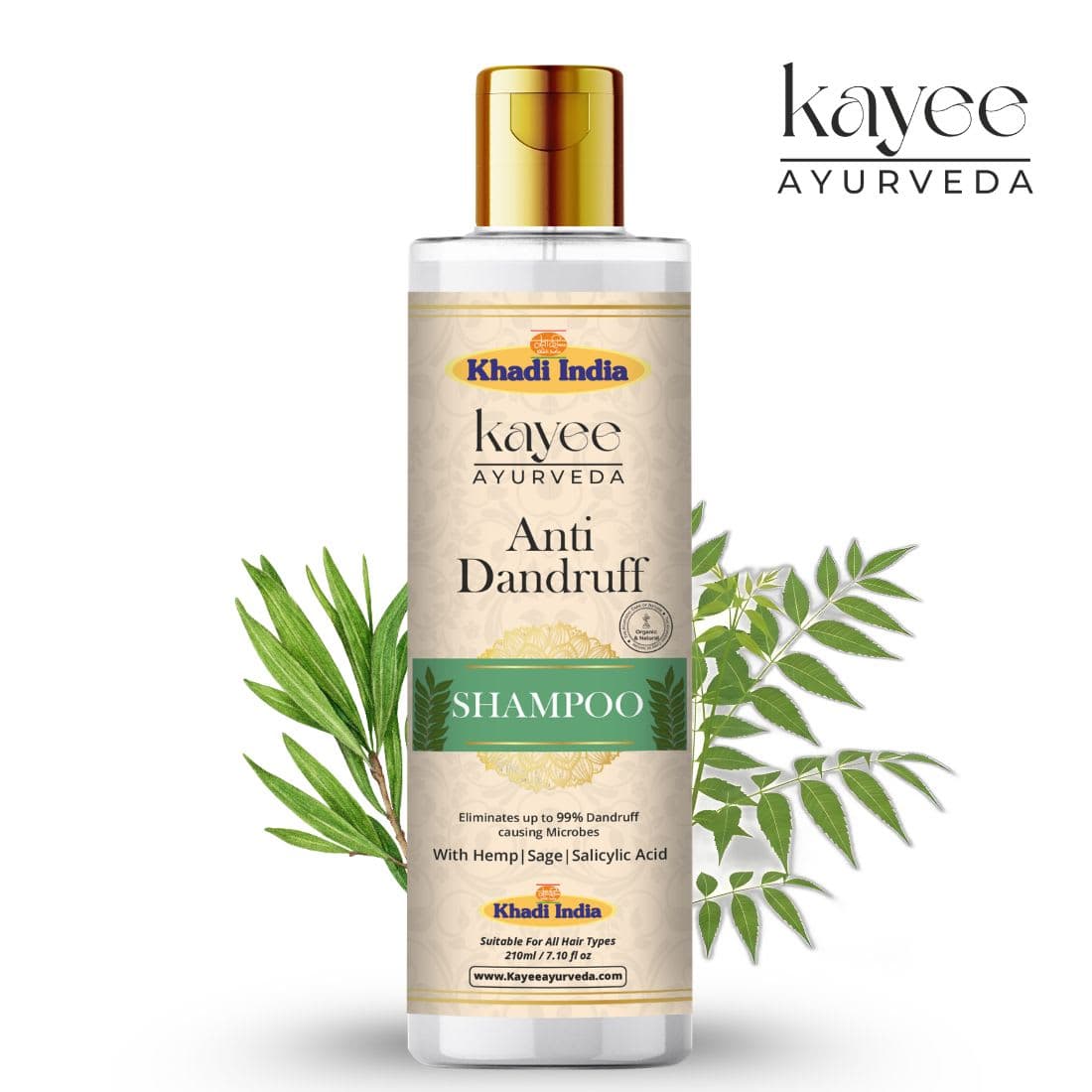
- Wash regularly with a shampoo made for dandruff and follow the instructions on the pack. Our Anti-Dandruff Shampoo (200 ml) is one option.
- Do not leave heavy oil on an itchy, flaky scalp for long periods. Oil can make some types of dandruff worse.
- Rinse well so that no shampoo or oil is left behind.
- Be patient. It can take several weeks of regular use to see a difference, and dandruff can return.
A note on oiling
Oiling suits many dry scalps, but it is not right for everyone. If your scalp becomes itchier or flakier after oiling, take a break and speak to a doctor.
When to see a doctor
Please see a doctor or dermatologist if the flaking is thick or spreads beyond the scalp, your scalp is red, sore or oozing, you lose hair in patches, or nothing improves after a few weeks of regular care. These can be signs of a skin condition that needs proper treatment.
Related reading
Frequently asked questions
Does winter cause dandruff?
Winter can make flaking worse, mainly because the scalp gets drier, but dandruff has other causes as well.
Is dandruff contagious?
No. It is not caused by poor hygiene or passed between people.
Can I use a herbal shampoo for a dry scalp?
Many people do. Choose a mild one, and patch test first. See our patch test guide.
This article is general information about traditional Ayurvedic hair and skin care. It is not medical advice. If you have sudden or patchy hair loss, a sore, itchy or flaky scalp, or skin that is painful, swollen or not improving, please see a doctor or dermatologist.