
How to Patch Test a New Product and Read the Label Properly
Kayee Ayurveda · 6 November 2026
Before you use any new cream, face wash, hair oil or shampoo, it is worth taking a minute to check whether your skin agrees with it. Natural or herbal does not automatically mean safe for everyone. Any plant can cause a reaction in someone who is sensitive to it. A simple patch test can save you from a bad surprise.
What is a patch test?
A patch test means applying a very small amount of a product on a small area of skin and waiting to see how your skin reacts before using it on a larger area, such as your face or scalp.
How to do a patch test, step by step
- Choose a spot. The inner forearm or the skin behind your ear is common. Make sure the skin is clean and not broken.
- Apply a small amount. A pea-sized amount, or a drop of oil, on an area about the size of a coin.
- Leave it. For leave-on products, leave the spot untouched. For wash-off products, wash it off after the time stated on the pack.
- Wait 24 hours. Do not wash the area with other products. Some reactions take a day to appear. If you have very sensitive skin, you can repeat for a second day.
- Check the spot. No redness, itching, burning, swelling or rash means your skin is likely fine with it.
What does a reaction look like?
- Redness or a rash
- Itching or burning
- Swelling or small bumps
- Skin that feels hot or sore
If you notice any of these, wash the area with plain water, stop using the product and do not use it on your face or scalp. If the reaction is strong or spreads, or you feel unwell, please see a doctor.
How to read an ingredient list
- Order matters. Ingredients are listed from the largest amount to the smallest. The first five or so make up most of the product.
- Know your triggers. If you are allergic to something, check the list for it every time. Fragrance, certain essential oils and nuts are common triggers.
- Plant names can be Latin. For example, Phyllanthus emblica is amla. A quick search will tell you what an unfamiliar name means.
- Do not rely on the front of the pack. Words like natural, herbal or Ayurvedic are not the same as a complete ingredient list.
Red flags when shopping
- Promises of guaranteed results in a fixed number of days
- No ingredient list, or one that is hard to find
- Claims to cure medical conditions
- No manufacturer details or batch information
Extra care for the face, scalp and children
Skin on the face and the scalp can be more sensitive. Introduce one new product at a time, so that you know what caused a reaction if it happens. For children, choose products made for them and check with a doctor if your child has eczema or allergies.
Product pages on our site
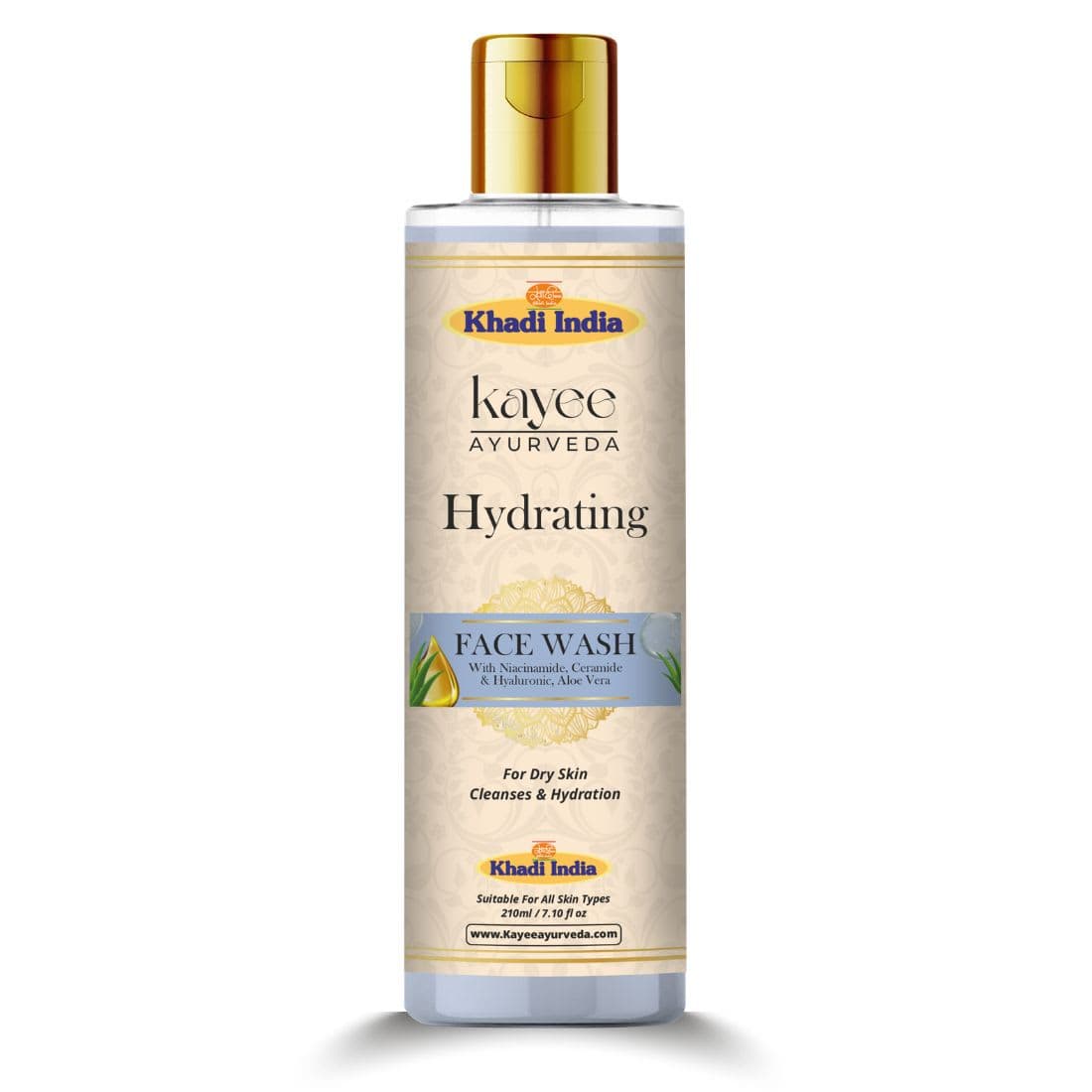
Every Kayee Ayurveda product page lists the details of the product. For example, you can read about the Hydrating Face Wash, the Almond & Saffron Moisturizer or the Amla Bhringraj Hair Oil before ordering. We also offer easy returns, and Cash on Delivery is available.
Related reading
Frequently asked questions
Is a patch test needed for natural products?
Yes. Plants contain many natural compounds, and some people react to them.
Does a patch test guarantee no reaction?
No. It lowers the risk but does not remove it. Stop using a product if it ever feels wrong.
How often should I repeat a patch test?
For every new product, and again if the formula changes or your skin becomes more sensitive.
This article is general information about traditional Ayurvedic hair and skin care. It is not medical advice. If you have sudden or patchy hair loss, a sore, itchy or flaky scalp, or skin that is painful, swollen or not improving, please see a doctor or dermatologist.