
Reetha, Shikakai, Hibiscus and Fenugreek: Traditional Herbs in Hair Care
Kayee Ayurveda · 4 November 2026
Indian hair care has a long list of plants that people have used for generations. Four names come up again and again on product labels: reetha, shikakai, hibiscus and fenugreek. Here is a simple explanation of each, without exaggeration.
Reetha (soapnut)
What it is: The fruit of the soapnut tree, Sapindus mukorossi. Dried reetha shells contain natural compounds called saponins that create a mild lather in water.
Traditional use: Reetha has long been used as a natural cleanser for hair, often boiled in water to make a wash. It is commonly paired with amla and shikakai.
Good to know: Raw reetha can sting if it gets in your eyes, so keep your eyes closed while washing. In shampoos it is usually used as part of a formulation. Try Amla Reetha Shampoo and Amla Reetha Conditioner.
Shikakai
What it is: The pods of Acacia concinna, whose name in Hindi roughly means "fruit for hair". Like reetha, it contains saponins and has been used as a gentle cleanser.
Traditional use: Dried shikakai powder is mixed with water to make a paste or rinse. It is traditionally used as a mild alternative to harsher cleansers, often alongside amla.
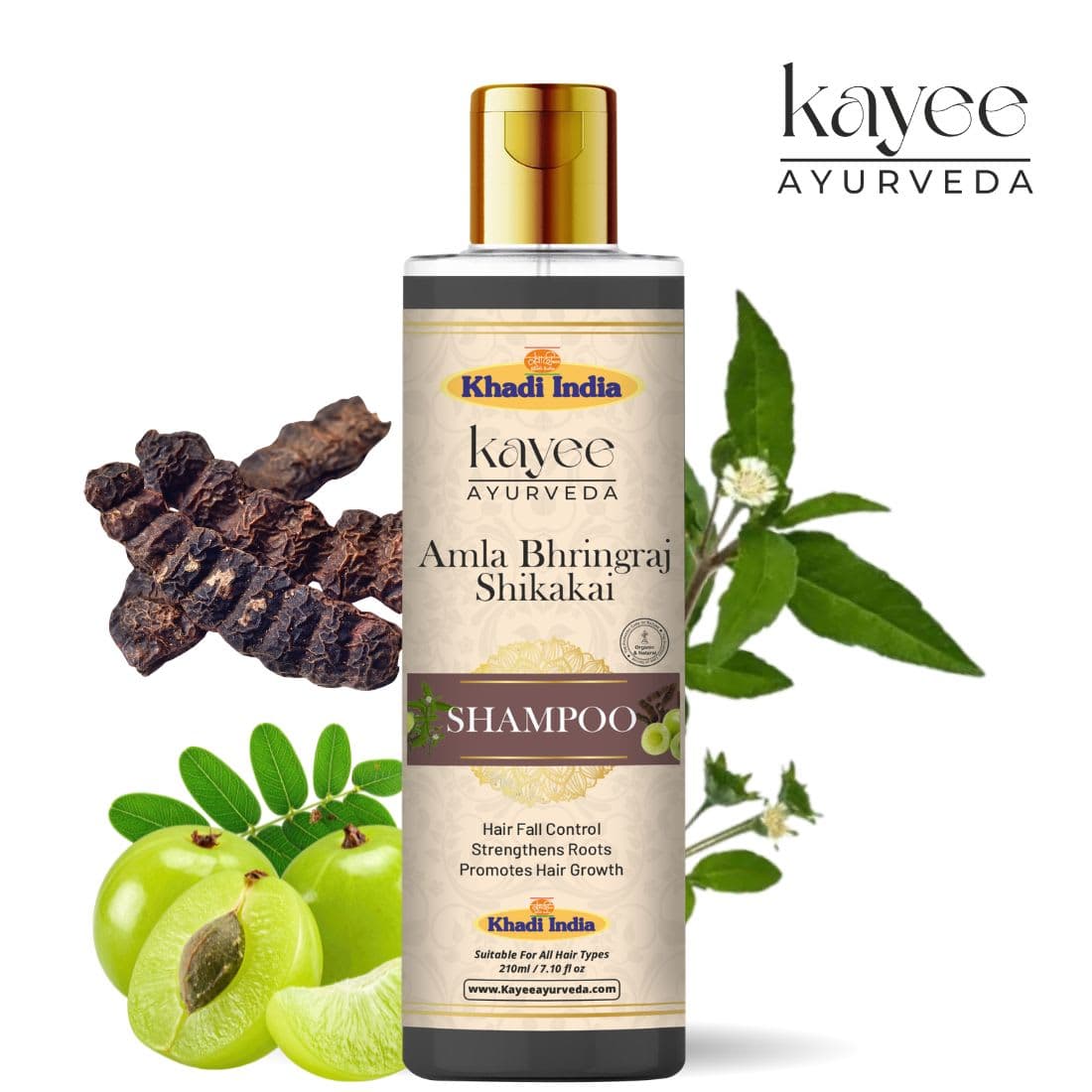
Good to know: Some people find shikakai alone leaves hair a little dry, which is why it is often combined with other ingredients. You can try Amla Bhringraj Shikakai Shampoo or Shikakai Shampoo.
Hibiscus
What it is: The flower and leaves of Hibiscus rosa-sinensis, the bright red flower seen in many Indian gardens.
Traditional use: Hibiscus flowers and leaves have long been soaked in oil, ground into pastes or added to hair rinses. They are valued for the slippery, conditioning feel they give.
Good to know: It is often used together with fenugreek. See Hibiscus Fenugreek Hair Oil and Hibiscus Fenugreek Shampoo.
Fenugreek (methi)
What it is: The seeds of Trigonella foenum-graecum, a common kitchen spice in India known as methi.
Traditional use: Soaked and ground fenugreek seeds are traditionally mixed into hair packs, and the seeds are also used in some hair oils.
Good to know: Fenugreek has a strong smell that some people dislike. If you try a home pack, rinse thoroughly.
How do they fit with amla and bhringraj?
Amla and bhringraj are the most famous pair in Ayurvedic hair oils. Reetha and shikakai mostly appear in cleansing products, while hibiscus and fenugreek often appear in oils and conditioning products. Together they form a traditional toolkit for washing, conditioning and oiling. Read our guide to amla and bhringraj to complete the picture.
What to realistically expect
Herbs can make hair feel cleaner, softer and easier to manage as part of a regular routine. They do not change your hair type or guarantee hair growth. Be wary of any product that promises fixed results in a fixed number of days.
How to use herbal products well
- Patch test anything new. See our patch test guide.
- Be consistent for several weeks before judging.
- Rinse well. Leftover residue can make the scalp feel itchy.
- Choose by label, not only by the herb name on the front. See our guide on choosing a shampoo and conditioner.
Frequently asked questions
Can I make a reetha or shikakai wash at home?
Yes, many people do. Use a small amount, keep it away from your eyes and rinse well. Homemade washes vary in strength, so start gently.
Are these herbs safe for everyone?
Most people tolerate them, but allergies can happen with any plant. Patch test first.
Do they work faster than a regular shampoo?
Not necessarily. They are a different, more traditional approach, and the feel is different from a standard shampoo.
This article is general information about traditional Ayurvedic hair and skin care. It is not medical advice. If you have sudden or patchy hair loss, a sore, itchy or flaky scalp, or skin that is painful, swollen or not improving, please see a doctor or dermatologist.